
Introduction to Emotion AI
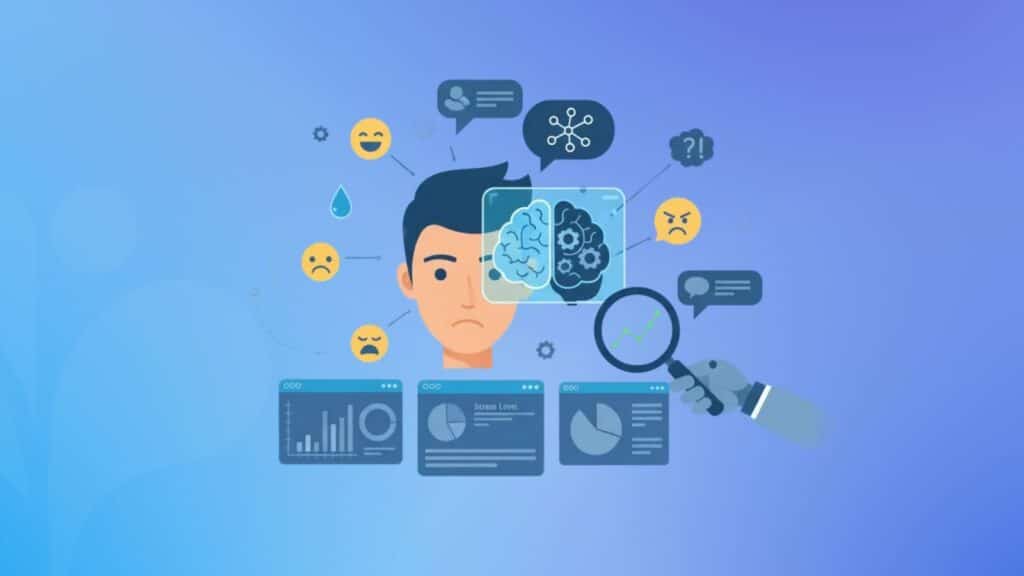
Emotion AI is an advanced branch of artificial intelligence that deals with recognizing and interpreting human emotions. This technology uses the analysis of behaviors to understand emotional states, providing a detailed interpretation of non-verbal signals.
How Emotion AI Works
Emotion AI is based on several key elements:
- Behavioral analysis: It focuses on observing facial expressions, tone of voice, postures, and written texts to capture emotional nuances.
- Objective data: Unlike the traditional approach that relies on questionnaires and subjective tests, Emotion AI uses data collected in real-time, free from personal interpretations.
- Automatic processing: Thanks to its ability to handle large amounts of data automatically, Emotion AI offers an innovative method for practical applications in various fields.
The topic of Emotion AI: potential and limits of emotion recognition with artificial intelligence is of great interest for the development of increasingly precise and effective systems in the interaction between humans and machines.
How Emotion AI Works
Emotion AI detects and interprets human emotions through various data analysis methods, which are essential for an accurate understanding of the emotional state.
1. Facial Expressions
Microexpressions and muscle movements of the face are captured by high-resolution cameras. Algorithms analyze subtle variations such as eyebrow raising, lip movement, or eye contraction to identify emotions such as joy, sadness, anger, or surprise. This mode is based on visual recognition models and convolutional neural networks (CNNs) that learn facial patterns associated with specific emotional states.
2. Voice Tones
The analysis of vocal tone considers acoustic parameters such as frequency, intensity, rhythm, and modulation of the voice. Through audio signal processing techniques and machine learning, it is possible to distinguish emotions such as stress, calmness, or excitement. Intonation often reveals more reliable emotional signals than the verbal content itself.
3. Body Movements
The interpretation of body movements adds another layer of understanding to Emotion AI. [These movements](https://www.alpaconsulenza.it/catalogo-corsi/) can signify a range of emotions from confidence to insecurity and are analyzed using advanced motion capture technology and machine learning algorithms. By examining posture, gestures, and overall body language, Emotion AI can provide a comprehensive understanding of a person’s emotional state.
The body language provides further clues about emotions. Motion sensors and cameras track postures, gestures, and involuntary movements to interpret emotional states. For example, a closed posture may indicate discomfort or anxiety, while wide movements are associated with positive feelings or assertiveness.
4. Written texts
The semantic analysis of text uses Natural Language Processing (NLP) to extract emotions from written verbal content. Keywords, expressive tones, and linguistic structures indicative of emotional states are identified.
These modalities work in synergy to provide a comprehensive picture of human emotion, enhancing the reliability of Emotion AI in advanced emotional recognition.
Modern technologies and methodologies for emotion recognition with AI
Emotion AI relies on advanced technologies to interpret complex emotional signals. Among them, machine learning plays a crucial role. Algorithms are trained on large datasets of emotional examples, learning to identify hidden patterns in visual, audio, and textual data. Machine learning allows models to be adapted to individual variations, progressively improving the accuracy of recognition.
The Natural Language Processing (NLP) deals with the analysis of written and spoken texts. Thanks to NLP techniques, Emotion AI decodes linguistic nuances such as tone, emotional intensity, and cultural context. This allows for the interpretation of emotions expressed in digital messages, emails, or voice conversations, expanding the understanding beyond visual data.
Advanced biometric technologies integrate additional sources of non-verbal data:
- Eye-tracking monitors eye movements and pupil dilation, revealing attention, interest, or stress.
- Biofeedback measures physiological parameters such as heart rate, skin temperature, and galvanic skin response to assess emotional states with objective precision.
The integration of machine learning, NLP, and biometrics enables a multidimensional assessment of human emotions. These combined tools enhance the effectiveness of Emotion AI in real-world contexts, providing more accurate and personalized analyses compared to traditional methods.
Practical applications of Emotion AI in various sectors
Emotion AI has concrete applications in multiple fields, with a significant impact on health, well-being, and safety.
Health and well-being sector
Emotion AI supports personalized therapeutic plans through continuous analysis of the patient’s emotions. It can detect emotional states such as anxiety, depression, or stress, facilitating timely and targeted interventions. In emotional rehabilitation, the technology monitors progress and adapts therapies based on detected emotional responses, improving overall effectiveness. Solutions based on this technology also enhance patient engagement in care programs through immediate emotional feedback.
Automotive Sector
Emotion AI is used for monitoring the psychological and physical state of the driver, detecting signs of stress and fatigue. Integrated sensors analyze facial expressions, variations in voice tone, and eye movements to prevent accidents caused by distraction or tiredness. Intelligent assistance systems intervene with alerts or suggestions for restorative breaks, increasing road safety. This technology helps reduce accidents and improve the driving experience.
The potential offered by Emotion AI in the health and automotive sectors highlights a concrete application for improving quality of life and safety. The ability to recognize emotions in real-time opens up new opportunities for technology-driven innovations aimed at human well-being.
Technical and Ethical Limits of Emotion AI
The Emotion AI presents significant limitations related to the complexity of emotional recognition. The main technical challenges involve:
- Reliability of scientific tests: many studies show variable results, caused by incomplete or unrepresentative datasets. This directly affects the accuracy in recognizing real emotions and subtle affective variations.
- Precision of recognition: human emotions are often ambiguous and contextual. Automatic interpretation can be imprecise when elements of cultural or individual context are lacking.
Another crucial aspect is the problem of algorithmic bias. These biases mainly arise from:
- Partial or distorted training data, which reflect social or demographic prejudices.
- Models that generalize emotional behaviors typical of certain groups, excluding or misinterpreting those of minorities.
The consequences include unintentional discrimination, for example:
- Errors in assessing emotions in people of different ethnicities or with unconventional emotional expressions.
- Unfair applications in areas such as personnel selection or surveillance.
Managing limits and biases requires careful design of systems and constant review of the data used for training, in order to ensure a more equitable and reliable emotional recognition.
Key Aspects of the Regulation Regarding Emotion AI
- Risk Classification: The Emotion Recognition System falls into the category of high-risk systems due to its ability to influence personal and social decisions.
- Transparency Obligations: Operators must clearly inform users when emotional recognition technology is used, specifying the methods and purposes of the processing.
- Accuracy and Reliability Requirements: Strict measures must be taken to minimize errors and biases, ensuring that models are validated on representative datasets.
- Privacy Protection: The processing of biometric and emotional data must comply with GDPR regulations, ensuring the security and confidentiality of sensitive information.
- Post-Market Surveillance: Companies are required to continuously monitor the operation of implemented systems to prevent unwanted effects or discrimination.
The European Regulation aims to create a regulatory framework that promotes the ethical development of Emotion AI tools. The goal is to promote responsible use that safeguards human dignity and prevents technical abuses or behavioral manipulations.
Integration between established psychological models and artificial intelligence for the future of Emotion AI
The interaction between classical psychological models and machine learning techniques represents a key element for the evolution of Emotion AI. Traditional psychometric models provide a solid theoretical basis for understanding human emotions, based on empirical studies and scientific validations. These models, such as Ekman’s theory of emotions or Russell’s circumplex model, define fundamental emotional categories and dimensions.
The combination with artificial intelligence allows for:
- Automate psychometric analysis on large volumes of emotional data, improving accuracy and scalability.
- Adapt static models to individual variations through machine learning algorithms that recognize specific patterns in emotional behavior.
- Integrate multimodal data (facial expressions, voice, text) into a single interpretative framework, overcoming the limitations of isolated analysis.
- Improve the reliability of emotional recognition, reducing errors due to subjective interpretations.
The combined use also allows for the development of systems that are more sensitive to the cultural and social context of the individual, addressing criticisms regarding algorithmic biases. The hybrid approach between psychology and AI opens up new perspectives for personalized applications in healthcare, education, and commercial fields. The synergy between psychometric analysis and Emotion AI amplifies the potential of technology in emotion recognition with more robust and contextualized results.
Conclusion
The ethical use of Emotion AI requires a deep and transparent understanding of its potentials and limitations. The technology must be employed in respect for human rights, ensuring:
- Transparency in the methods of collecting and analyzing emotional data.
- Critical awareness of the challenges related to algorithmic bias and accuracy.
- Dissemination of correct information to avoid misunderstandings and improper applications.
A responsible approach to Emotion AI: potential and limits of emotion recognition with artificial intelligence promotes effective tools that improve quality of life without compromising individual dignity.
Frequently Asked Questions
What is Emotion AI and what is its importance in emotion recognition?
Emotion AI is a branch of artificial intelligence dedicated to emotional recognition, which analyzes behavioral signals such as facial expressions, tone of voice, and body movements to interpret human emotions. It is essential for improving human-machine interaction and supporting applications in various fields.
What are the main ways in which Emotion AI detects emotions?
Emotion AI uses different modalities to detect emotions, including analysis of facial expressions, tone of voice, body movements, and interpretation of written texts, integrating verbal and non-verbal data for a more accurate understanding.
What modern technologies support emotion recognition with AI?
Key technologies include machine learning and Natural Language Processing (NLP) to interpret complex emotional data, as well as advanced biometric technologies such as eye-tracking and biofeedback that collect essential non-verbal data.
In which sectors does Emotion AI find practical application?
Emotion AI is used in various sectors such as health and wellness to support therapeutic plans and emotional rehabilitation, as well as in the automotive industry to monitor driver stress and fatigue, contributing to improved road safety.
What are the technical and ethical limitations of Emotion AI?
The limitations include technical challenges related to the reliability and accuracy of emotional recognition, as well as issues of algorithmic bias that can lead to unintentional discrimination. These aspects require attention to ensure fairness and reliability.